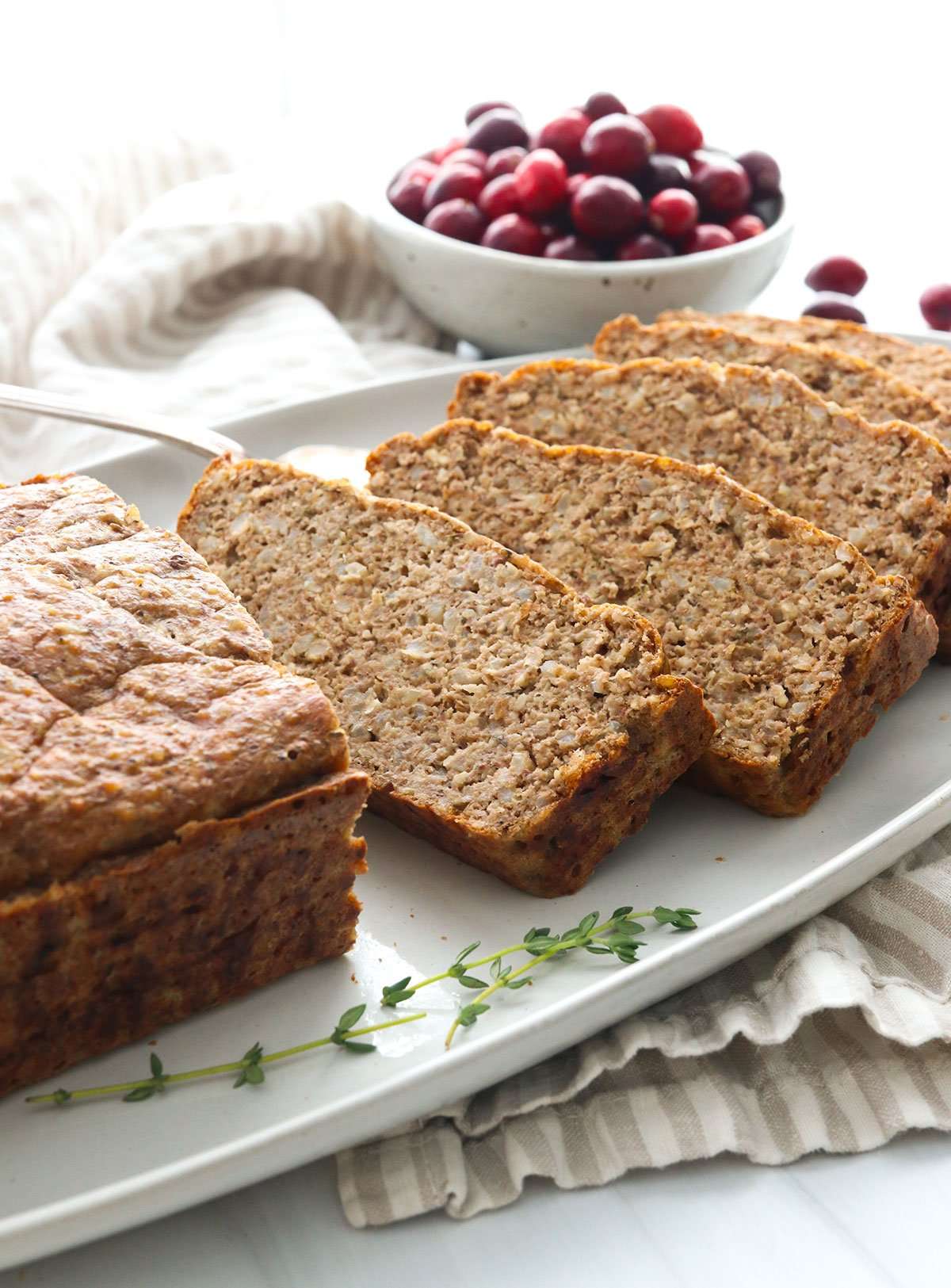
Discover The Best Vegetarian Meatloaf You'll Ever Make
For many, the mention of "meatloaf" conjures images of a classic, comforting dish—a centerpiece of family dinners, rich in flavor, and deeply satisfying. But what if we told you that same level of comfort, flavor, and heartiness is not only achievable but often surpassed in a plant-based version? Indeed, discovering the best vegetarian meatloaf can be a culinary revelation, transforming skeptics into enthusiasts and offering a delicious, wholesome alternative that stands proudly on its own.
Gone are the days when vegetarian substitutes were merely approximations. Today's plant-based cuisine celebrates ingredients for their inherent flavors and textures, crafting dishes that are both innovative and deeply satisfying. When it comes to meatloaf, the goal isn't just to mimic meat, but to create a dish so flavorful, so perfectly textured, and so undeniably delicious that it becomes a cherished recipe in its own right. This article will guide you through the journey of understanding, creating, and savoring what truly defines the best vegetarian meatloaf.
What Defines The Best Vegetarian Meatloaf?
The pursuit of the best vegetarian meatloaf isn't just about finding a recipe; it's about understanding the core elements that elevate a good dish to an exceptional one. Many vegetarian meatloaves unfortunately fall prey to common pitfalls: they can be too mushy, too dry, or disappointingly bland. An outstanding plant-based meatloaf, however, delivers a symphony of textures and flavors that captivate the palate.
- Texture Perfection: A truly great vegetarian meatloaf should be firm enough to slice beautifully without crumbling, yet tender and moist on the inside. It shouldn't feel gummy or overly dense. The right balance of hearty ingredients and binders is crucial for achieving this Goldilocks zone.
- Rich, Umami-Packed Flavor: This is where many recipes fall short. The best vegetarian meatloaf isn't shy on flavor. It boasts deep, savory notes, often enriched by umami-rich ingredients like mushrooms, soy sauce or tamari, nutritional yeast, and roasted vegetables. A complex flavor profile, built on layers of aromatics, herbs, and spices, is non-negotiable.
- Hearty & Satisfying: Ultimately, a meatloaf, vegetarian or otherwise, should feel substantial. It should leave you feeling satisfied and nourished, not light and wanting. This comes from using protein-rich bases like lentils or tempeh, combined with fiber-rich grains and vegetables.
It's about crafting a dish that is distinctly delicious, offering a unique and comforting experience that doesn't feel like a compromise. It’s a testament to the fact that plant-based eating can be incredibly indulgent and deeply satisfying.
The Secret Arsenal: Key Ingredients for The Best Vegetarian Meatloaf
The foundation of any exceptional dish lies in its ingredients. For the best vegetarian meatloaf, a thoughtful selection of components is paramount, each playing a vital role in achieving that perfect balance of flavor and texture.
- The Hearty Base:
- Lentils (Brown or Green): These are often the star, providing a fantastic texture similar to ground meat, along with protein and a satisfying earthiness.
- Mushrooms (Cremini or Portobello): Sautéed and finely chopped or pulsed, mushrooms are umami powerhouses, adding depth, moisture, and a "meaty" texture.
- Walnuts: Finely chopped walnuts contribute a rich, fatty mouthfeel and a subtle crunch that enhances the overall texture.
- Other Options: Quinoa, oats, or even finely crumbled tempeh can also form a robust base, each offering unique contributions to the final product.
- The Essential Binders: These are crucial for holding everything together.
- Flax Eggs or Chia Eggs: A mixture of ground flaxseeds or chia seeds with water creates a gelatinous binder that effectively replaces eggs.
- Breadcrumbs or Rolled Oats: These absorb excess moisture, add bulk, and help with the structure. Panko breadcrumbs can add a lighter texture.
- Tomato Paste: Beyond its umami contribution, tomato paste acts as a sticky binder, helping to glue ingredients together.
- Flavor Foundations:
- Aromatics: A mirepoix of finely diced onions, carrots, and celery, sautéed until soft, forms the aromatic backbone. Garlic is a must for its pungent depth.
- Herbs & Spices: Classic meatloaf herbs like thyme, sage, and rosemary (fresh or dried) impart a traditional warmth. Smoked paprika adds a lovely smoky note, while black pepper and a pinch of cayenne or red pepper flakes can provide a gentle kick.
- Umami Boosters: Beyond mushrooms and tomato paste, consider tamari or soy sauce, nutritional yeast for a cheesy depth, and vegan Worcestershire sauce for a complex, savory tang. Even a small amount of Marmite or Vegemite can amplify the umami.
- The Signature Glaze: A good meatloaf isn't complete without its shiny, flavorful topping. A classic blend of ketchup, brown sugar, apple cider vinegar, and a touch of mustard creates that iconic sweet and tangy crust that defines the dish.
For a complete ingredient list and step-by-step instructions that bring these elements together into a harmonious whole, delve into our Ultimate Guide to The Best Vegetarian Meatloaf Recipe. It provides a comprehensive roadmap to culinary success.
Mastering the Method: Expert Tips for Achieving Perfect Texture and Flavor
Beyond the ingredients, the technique plays a critical role in transforming components into the best vegetarian meatloaf. A few simple yet crucial steps can make all the difference between a good loaf and a truly unforgettable one.
- Strategic Ingredient Preparation:
- Sautéing is Non-Negotiable: Always sauté your onions, garlic, and mushrooms until deeply softened and lightly caramelized. This step concentrates their flavors and removes excess moisture, preventing a soggy loaf.
- Pulsing, Not Pureeing: When using a food processor for walnuts or some of your base vegetables, pulse them until finely chopped but stop before they turn into a paste. You want varying textures to mimic ground meat.
- Perfectly Cooked Lentils: If using lentils, ensure they are cooked until tender but still hold their shape, not mushy. Overcooked lentils can lead to a gummy texture.
- Mixing with Care:
- Don't Overmix: Once all your ingredients are in the bowl, mix them just enough to combine thoroughly. Overmixing can develop gluten in grains like oats, leading to a denser, tougher meatloaf.
- Achieve the Right Consistency: The mixture should be firm enough to hold its shape when pressed, but still moist. If it feels too wet, add a little more breadcrumbs or oats. If too dry, a splash of vegetable broth can help.
- Forming and Baking Brilliance:
- Compact but Not Dense: When forming the loaf, gently compact the mixture to ensure it holds together, but avoid pressing too firmly, which can result in a heavy, brick-like texture.
- The Right Temperature: Most vegetarian meatloaves bake beautifully at a moderate temperature, around 350-375°F (175-190°C). This allows the flavors to meld and the loaf to cook through without drying out the exterior too quickly.
- Don't Overbake: This is perhaps the most critical tip for moisture. Overbaking is the quickest way to dry out your meatloaf. A good indicator is when the glaze is set and lightly browned, and the internal temperature reaches around 160°F (71°C) if you're using a thermometer.
- The Essential Rest: After baking, let your meatloaf rest in the pan for 10-15 minutes before slicing. This allows it to firm up, making it easier to slice cleanly and preventing it from crumbling.
To truly perfect your technique and understand the nuances of achieving that ideal texture, be sure to read our detailed guide on Achieve Perfect Texture: Best Vegetarian Meatloaf Tips.
Beyond the Plate: Creative Servings & Variations
Once you've mastered the best vegetarian meatloaf, the possibilities for serving and adapting it are endless. This versatile dish is not just for dinner; it can transform into delicious leftovers or be customized with exciting flavor profiles.
- Classic Comfort Pairings:
- Creamy Mashed Potatoes: A timeless duo. The rich, smooth potatoes perfectly complement the savory meatloaf.
- Roasted or Steamed Vegetables: Green beans, asparagus, broccoli, or a medley of root vegetables provide freshness and essential nutrients.
- Gravy: A rich mushroom or onion gravy elevates the entire meal, adding an extra layer of moisture and flavor.
- Leftover Love:
- Meatloaf Sandwiches: Cold slices of meatloaf on crusty bread with a smear of mustard, pickles, and perhaps some fresh lettuce make for an incredible lunch.
- Crumble & Reheat: Leftover meatloaf can be crumbled and added to pasta sauces, tossed into a salad, or used as a topping for baked potatoes.
- Flavor Explorations:
- BBQ Meatloaf: Replace the classic ketchup glaze with your favorite smoky barbecue sauce for a tangy, robust twist.
- Mediterranean Inspired: Incorporate sun-dried tomatoes, Kalamata olives, oregano, and a touch of lemon zest into the mix. Top with a balsamic glaze.
- Spicy Kick: Add diced jalapeños or serrano peppers, a dash of chipotle powder, and glaze with a spicy sriracha-ketchup mixture for those who love a bit of heat.
- Herb Garden Fresh: Experiment with different fresh herbs like basil, dill, or chives to give your meatloaf a seasonal flair.
Why The Best Vegetarian Meatloaf is a Must-Try for Everyone
Whether you're a lifelong vegetarian, someone looking to incorporate more plant-based meals into your diet, or simply curious about delicious food, the best vegetarian meatloaf is a dish that deserves a place at your table. It challenges preconceived notions about plant-based eating, proving that meals without meat can be just as satisfying, comforting, and flavorful as their traditional counterparts.
Beyond its incredible taste and texture, a vegetarian meatloaf offers numerous benefits. It's often lower in saturated fat and cholesterol, higher in fiber, and packed with wholesome ingredients. It’s a wonderful way to enjoy a hearty, home-cooked meal that nourishes both body and soul, without compromising on the joy of eating.
Embarking on the journey to create the best vegetarian meatloaf is a rewarding culinary adventure. It's an opportunity to experiment with diverse ingredients, master new techniques, and ultimately, craft a dish that will impress even the most discerning palates. So, gather your ingredients, follow our expert advice, and prepare to discover a plant-based classic that will undoubtedly become a new favorite in your recipe repertoire.
